

NEW essays weekly!
Dive deeper into the movements, techniques, and eras that shaped cinema. These essays explore the historical and cultural contexts behind the films we discuss—from the Japanese Golden Age to French Nouvelle Vague, from Technicolor innovations to the revolutionary spirit of May 1968. Consider them essential reading for understanding how cinema evolved into the art form we know today.

The Playlist
Every episode includes a companion playlist on Spotify and Apple Music. Not the film's soundtrack—songs that echo the themes, capture the mood, and keep you in that world after the credits roll. Music that resonates with the film's emotional core.
listen on:


Apple Music
All essays
The Cinema of Origins: Japan's Cinematic Awakening (1896-1908)
When the Lumière Brothers' Cinématographe arrived in Kobe in 1896, Japan encountered moving images for the first time. What began as a foreign novelty quickly transformed into something distinctly Japanese. This essay explores cinema's first dozen years in Japan—a period of experimentation, adaptation, and cultural synthesis that laid the foundation for one of the world's most influential film traditions. From early actuality films to the emergence of the benshi narrator, from kabuki-influenced staging to the development of uniquely Japanese storytelling techniques, these formative years reveal how Japan didn't simply adopt cinema—it reimagined it. Before Kurosawa, before Ozu, before the Golden Age, there was this: the awakening.
May '68: When Cinema Stopped the CANNES FILM Festival
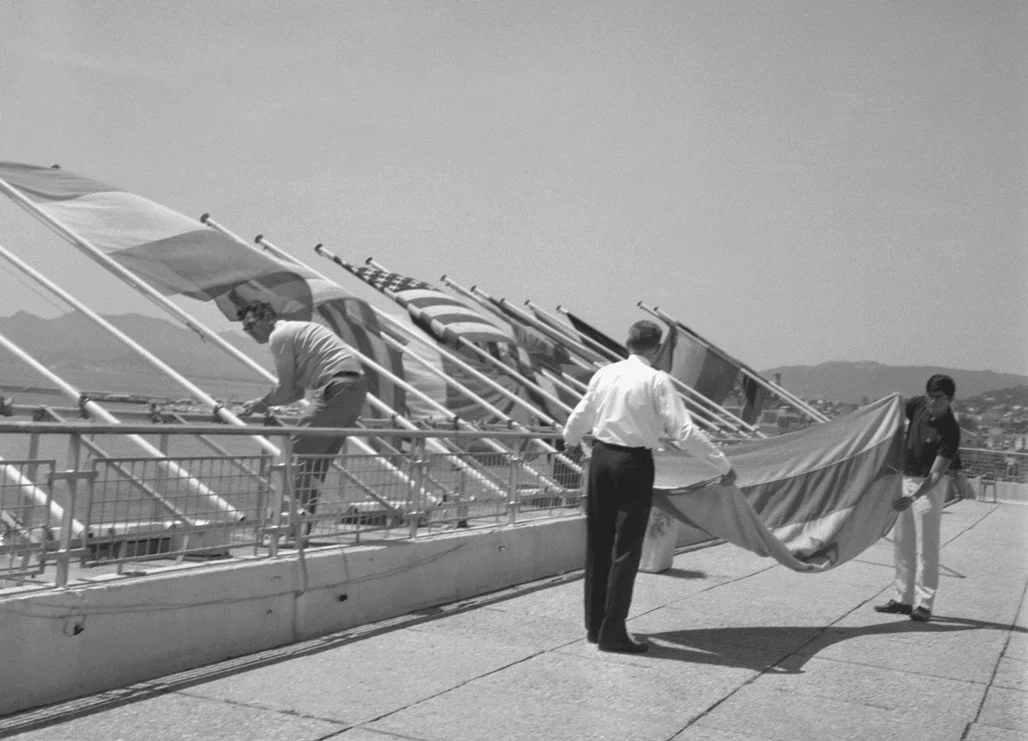
While Paris burned and millions of French workers walked off the job, the film world's most glamorous event continued with champagne receptions and yacht parties. The contrast was obscene. In an act of solidarity with striking students and workers, the directors who had revolutionized cinema rushed the stage of the Palais des Festivals. Carlos Saura grabbed the curtains to prevent them from opening. Fistfights erupted. Godard lost his glasses. Within hours, the festival was cancelled—the only time in its history outside of World War II.
This wasn't just a protest. It was the moment when French cinema's aesthetic revolution collided head-on with political upheaval, forcing filmmakers to ask an impossible question: In revolutionary times, does art matter?
From the Langlois Affair to Costa-Gavras's Z, from Godard's Dziga Vertov Group to the birth of Directors' Fortnight, discover how May '68 changed cinema forever—and why the filmmakers who built the barricades could never agree on what came next.
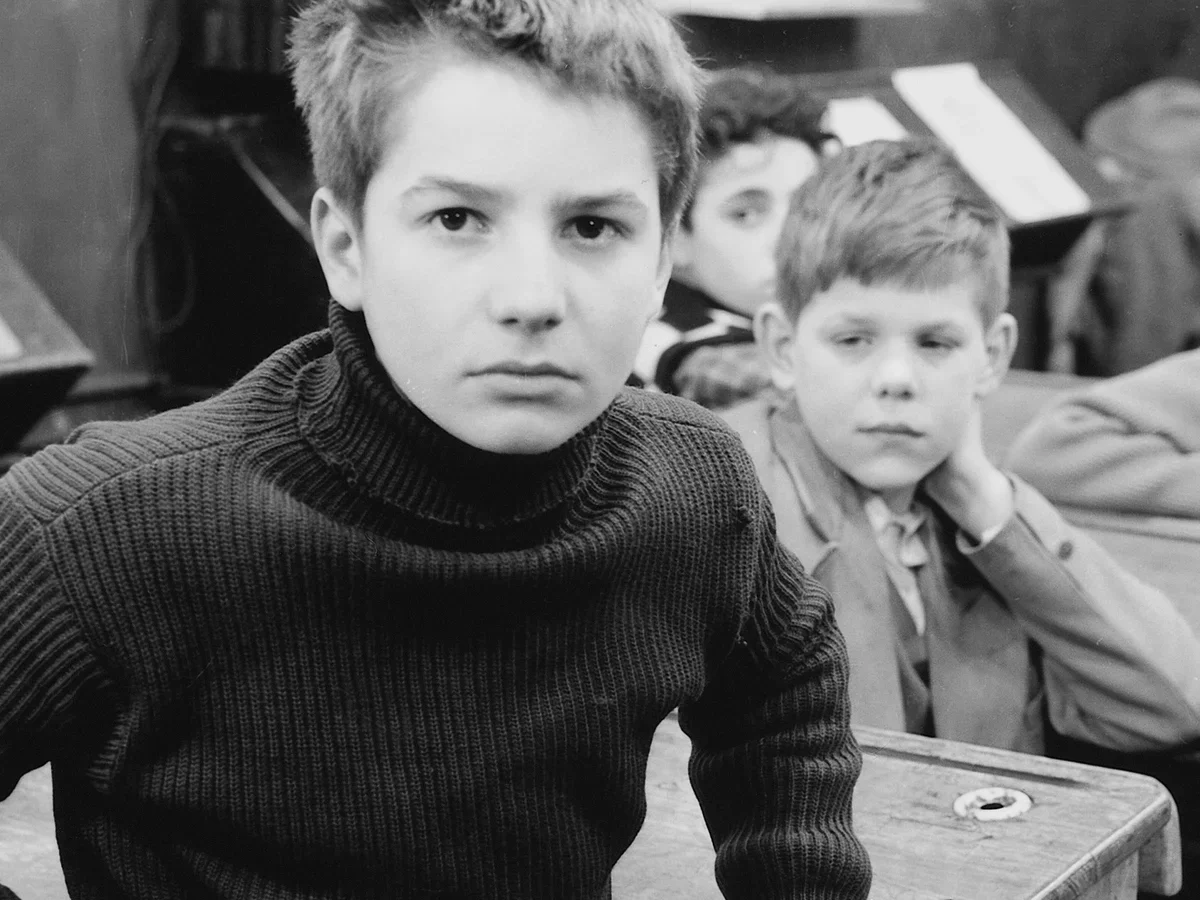
Writing in Light: The French Nouvelle Vague and the Cinema of Literary Revolution
In 1950s Paris, a group of passionate young film critics plotted a revolution with nothing but notebooks, cheap cameras, and an audacious idea: that cinema could be written like literature. From Agnès Varda's pioneering La Pointe Courte to Godard's anarchic Breathless and Truffaut's autobiographical The 400 Blows, the French New Wave transformed the camera into a pen. It proved that personal vision mattered more than studio budgets, that breaking rules could create new languages, and that the most powerful films come from filmmakers who love cinema enough to reinvent it completely.
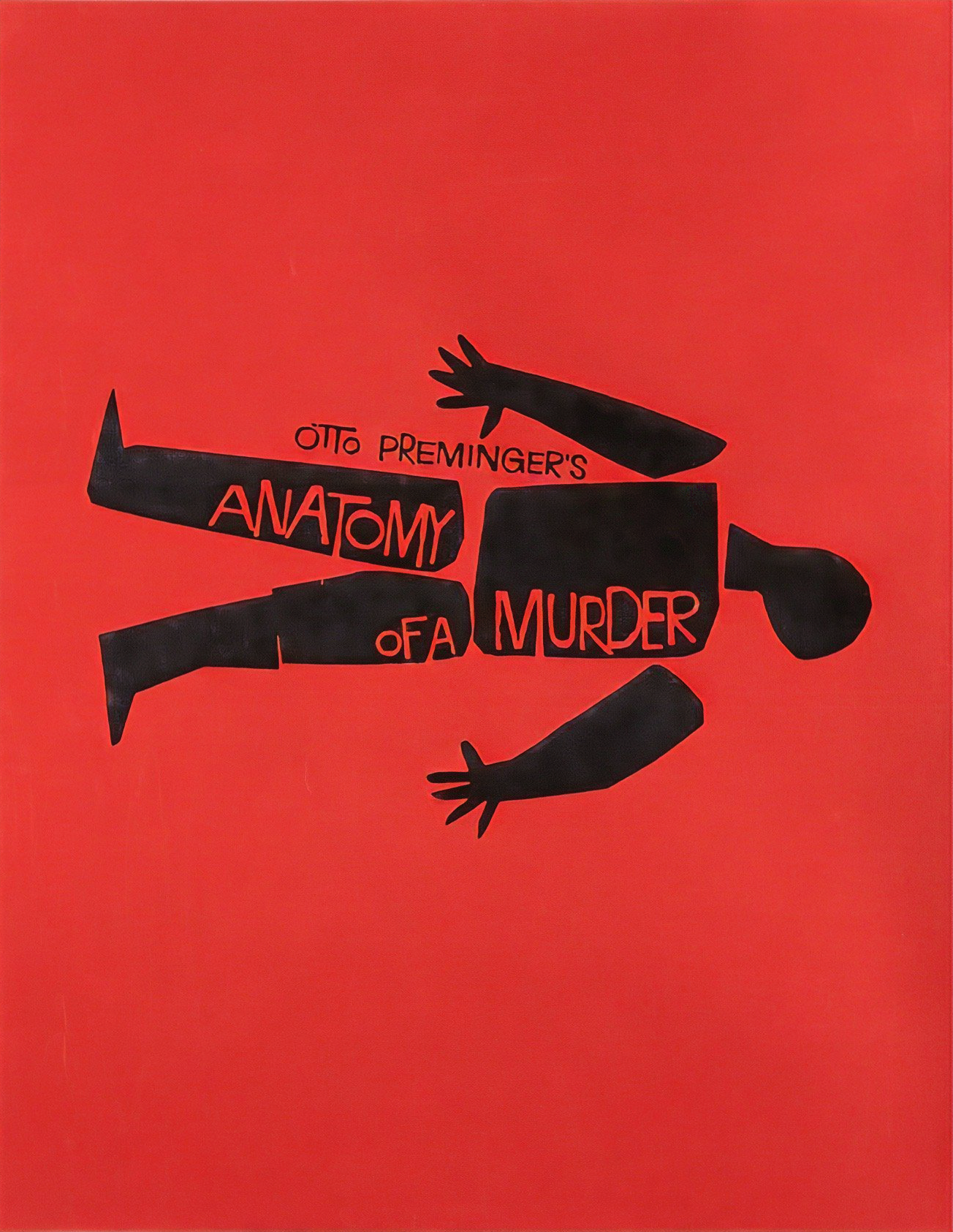
Before the Film Began: The Lost Art of Title Sequences
Before the opening scene, before the first line of dialogue, there was an art form that set the stage for everything to follow: the title sequence. From the 1950s through the 1980s, designers like Saul Bass, Maurice Binder, and Robert Brownjohn transformed opening credits into miniature masterpieces—kinetic, atmospheric, and essential to the film's identity. Bass's spiraling graphics for Vertigo, the haunting simplicity of To Kill a Mockingbird, the playful cat-and-mouse elegance of Catch Me If You Can—these weren't mere lists of names but carefully crafted overtures that established tone, built anticipation, and signaled that something special was about to unfold. This essay explores the golden age of title design, examines why this art form has largely disappeared from contemporary cinema, and celebrates the designers who understood that how a film begins is just as important as what it becomes.
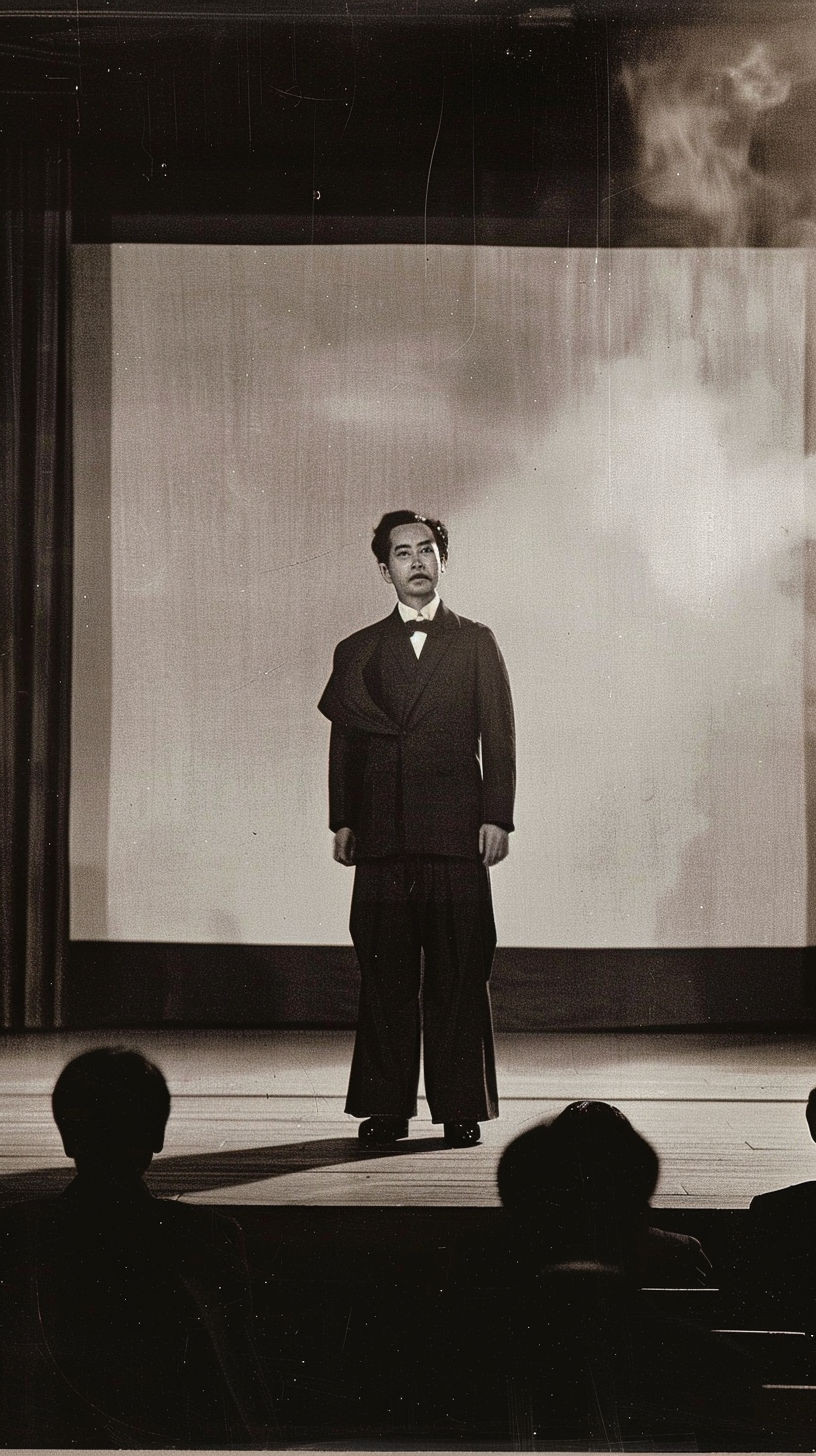
The Voices in the Dark: A History of Japan's Benshi
Japanese silent movies were never silent. From the first showing of motion pictures in Japan in 1896 until the end of the silent era in 1939, a voice—or multiple voices—always filled the theater. The benshi, Japan's silent film narrators, didn't just explain what was happening on screen. They transformed flickering images into living art, their voices breathing life into every frame. They were performers, interpreters, and stars. And for over four decades, they were the main attraction.
While other countries briefly experimented with live film narrators, only in Japan did they become an influential and integral part of cinema itself. This is their story.

Every other Monday, we explore masterworks from the Criterion Collection and beyond—unpacking their artistry, historical context, and lasting influence.
TUNE IN!