
NEW essays weekly!
Dive deeper into the movements, techniques, and eras that shaped cinema. These essays explore the historical and cultural contexts behind the films we discuss—from the Japanese Golden Age to French Nouvelle Vague, from Technicolor innovations to the revolutionary spirit of May 1968. Consider them essential reading for understanding how cinema evolved into the art form we know today.


The Playlist
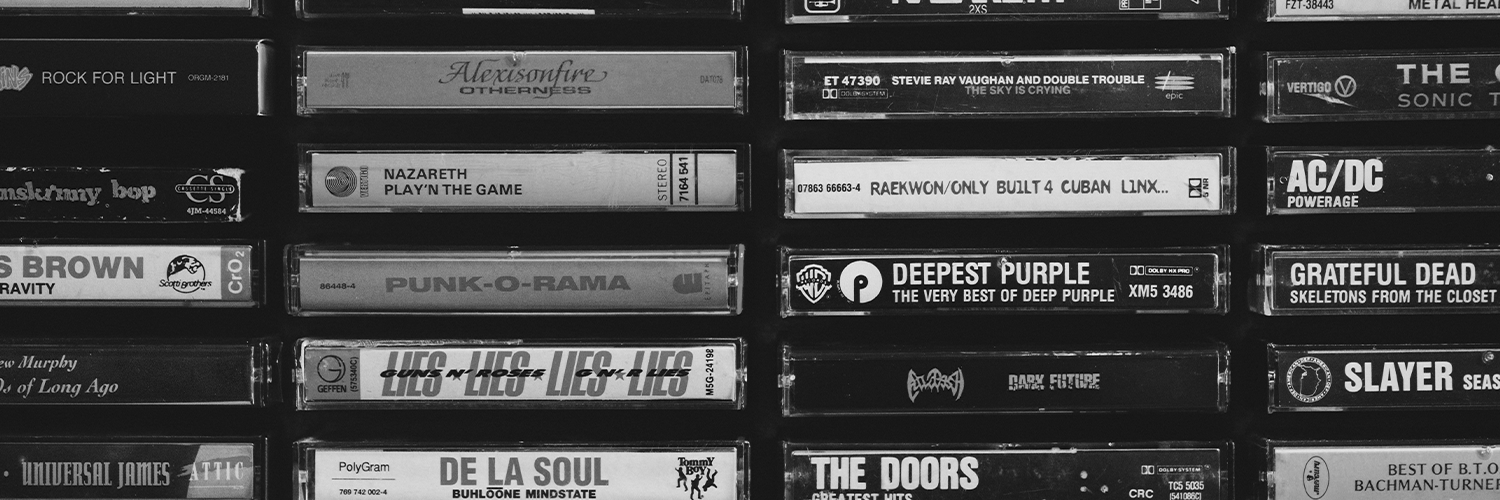
Every episode includes a companion playlist on Spotify and Apple Music. Not the film's soundtrack—songs that echo the themes, capture the mood, and keep you in that world after the credits roll. Music that resonates with the film's emotional core.
listen on:


Apple Music
All essays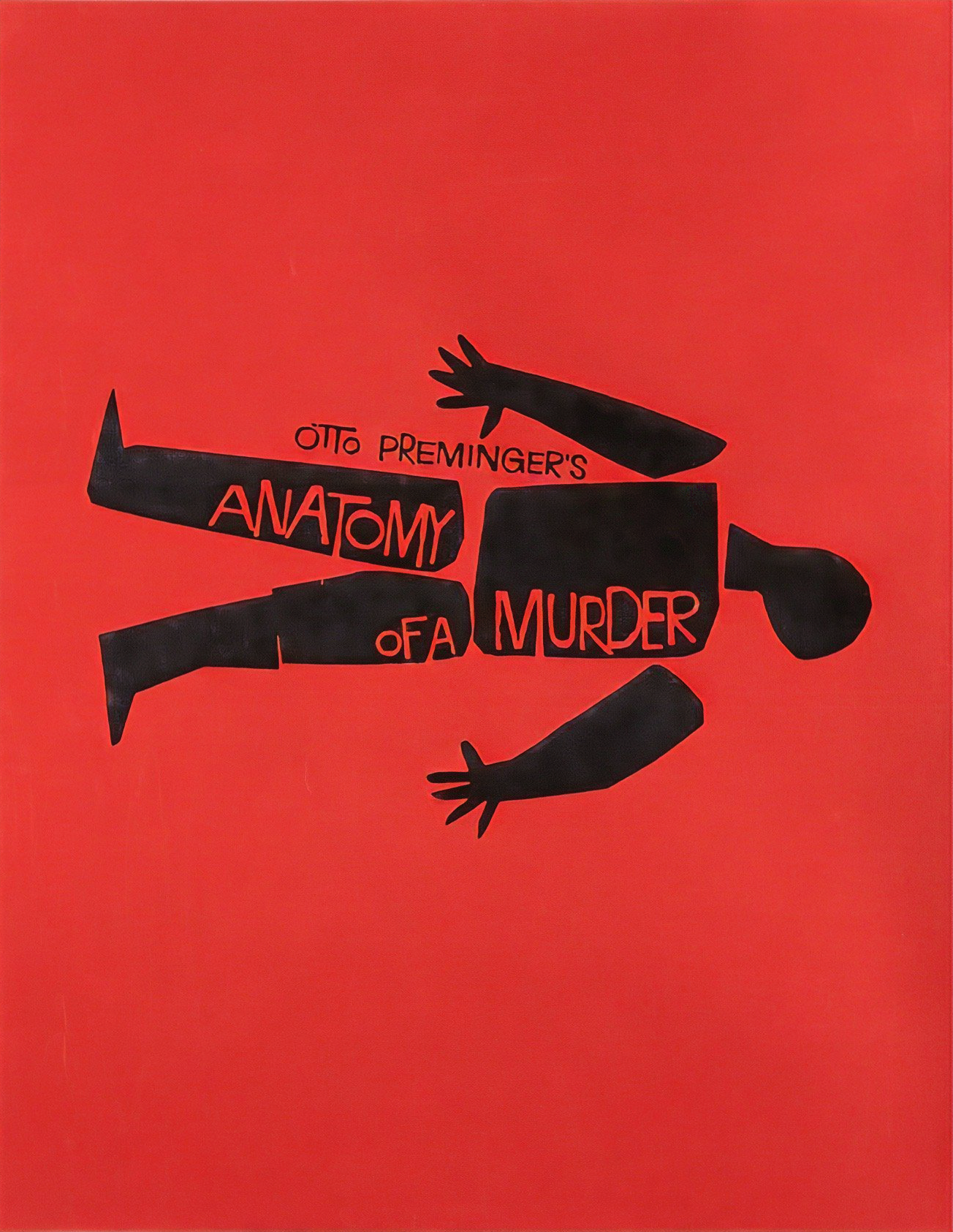
Before the Film Began: The Lost Art of Title Sequences
Before the opening scene, before the first line of dialogue, there was an art form that set the stage for everything to follow: the title sequence. From the 1950s through the 1980s, designers like Saul Bass, Maurice Binder, and Robert Brownjohn transformed opening credits into miniature masterpieces—kinetic, atmospheric, and essential to the film's identity. Bass's spiraling graphics for Vertigo, the haunting simplicity of To Kill a Mockingbird, the playful cat-and-mouse elegance of Catch Me If You Can—these weren't mere lists of names but carefully crafted overtures that established tone, built anticipation, and signaled that something special was about to unfold. This essay explores the golden age of title design, examines why this art form has largely disappeared from contemporary cinema, and celebrates the designers who understood that how a film begins is just as important as what it becomes.
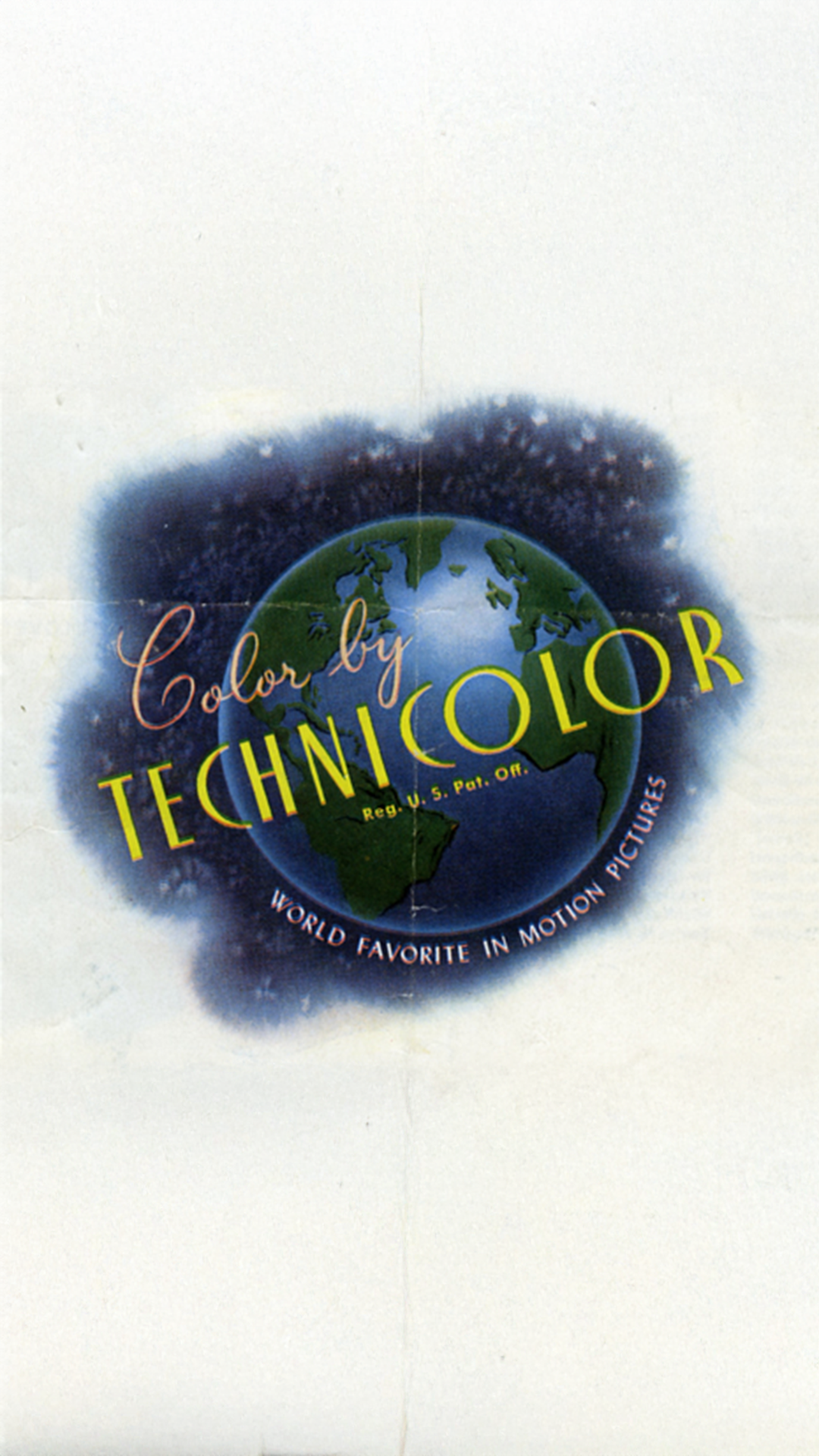
The Technicolor Dream: How Three-Strip Changed Cinema Forever
Why do films from the 1940s look more vivid than movies made last year?
The answer is three-strip Technicolor—a process so expensive and complicated that it required splitting light through prisms, printing three separate negatives, and transferring dyes with microscopic precision. For forty years, it created the most gorgeous images ever committed to celluloid: the impossible reds of The Red Shoes, the hallucinatory colors of Black Narcissus, the pure visual intoxication of Powell and Pressburger's cinema. Then, in 1975, the last lab closed. The cameras were scrapped. We replaced perfection with convenience—and we've been chasing that magic ever since. This is the story of how cinema lost its most beautiful look.
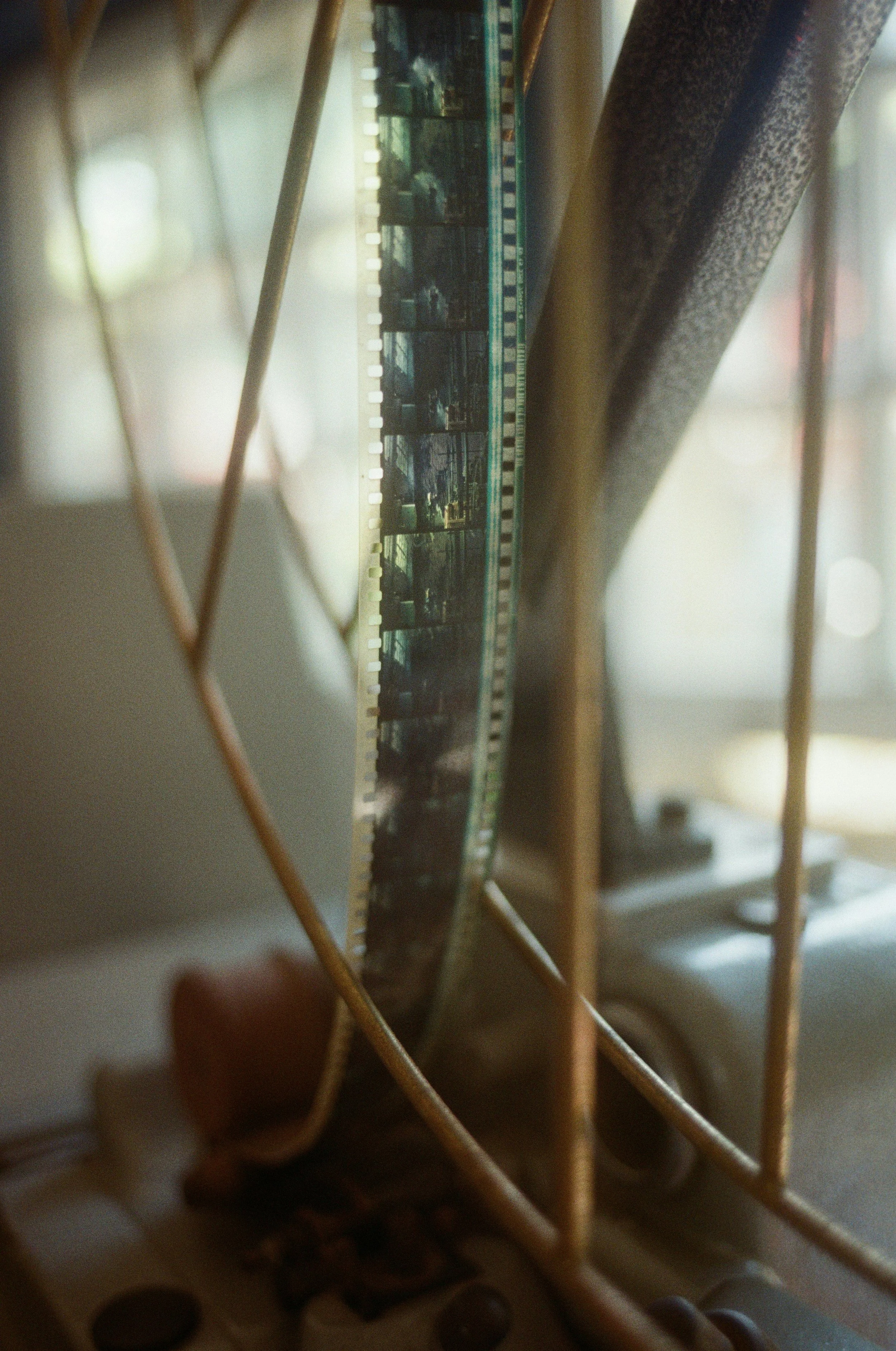
The Shape of Cinema: A Guide to Film Formats and Aspect Ratios
When Kurosawa shot Seven Samurai, he framed every battle, every desperate face, every rain-soaked sword within a nearly square frame. When David Lean shot Lawrence of Arabia, he stretched the desert across a frame nearly three times wider than it was tall. These weren't technical decisions. They were artistic ones. The shape of the frame determines what you see, what fits in the composition, what the film can mean. This is your guide to understanding the formats and ratios that define cinema—and why they matter more than you think.

Every other Monday, we explore masterworks from the Criterion Collection and beyond—unpacking their artistry, historical context, and lasting influence.
TUNE IN!