
NEW essays weekly!
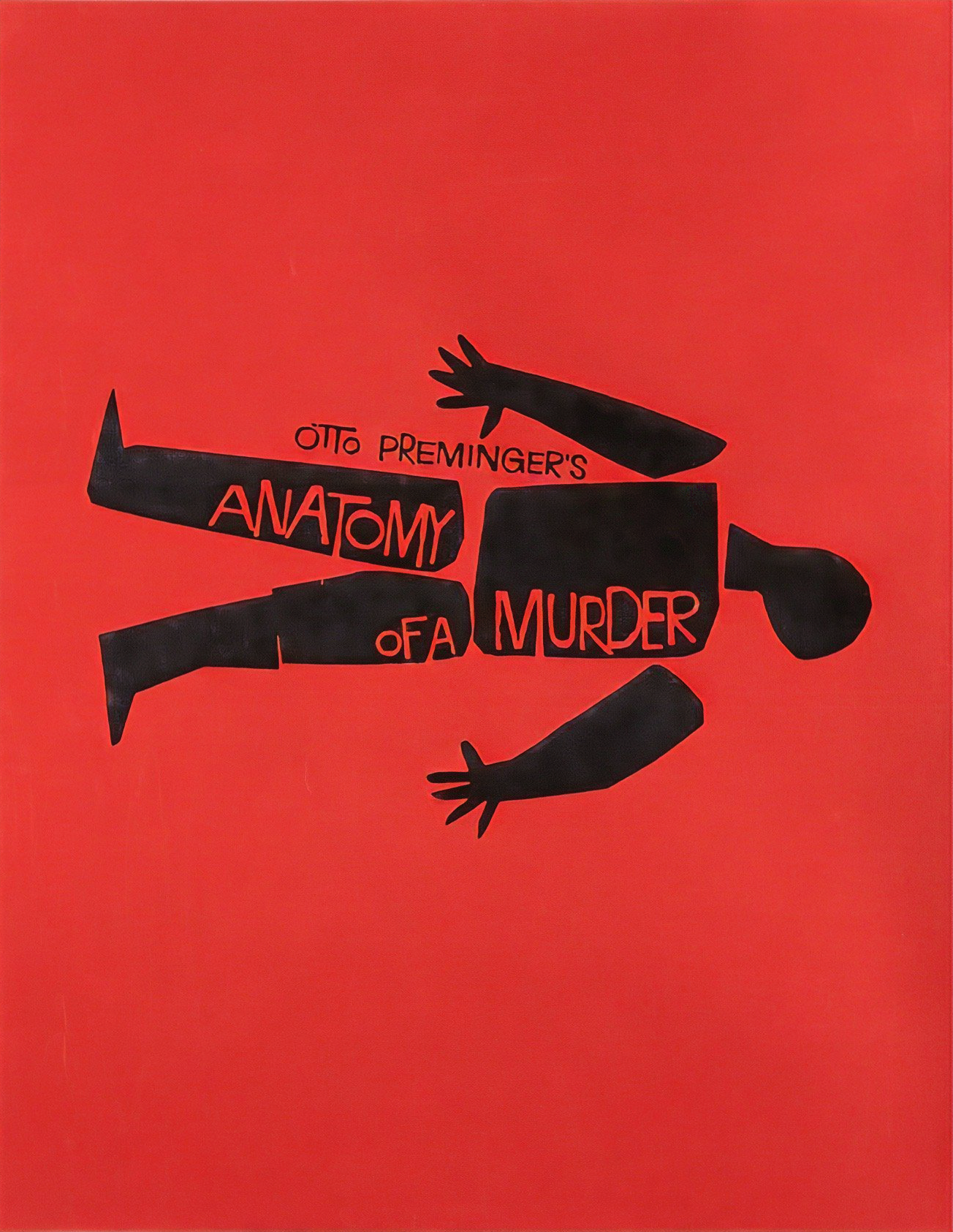
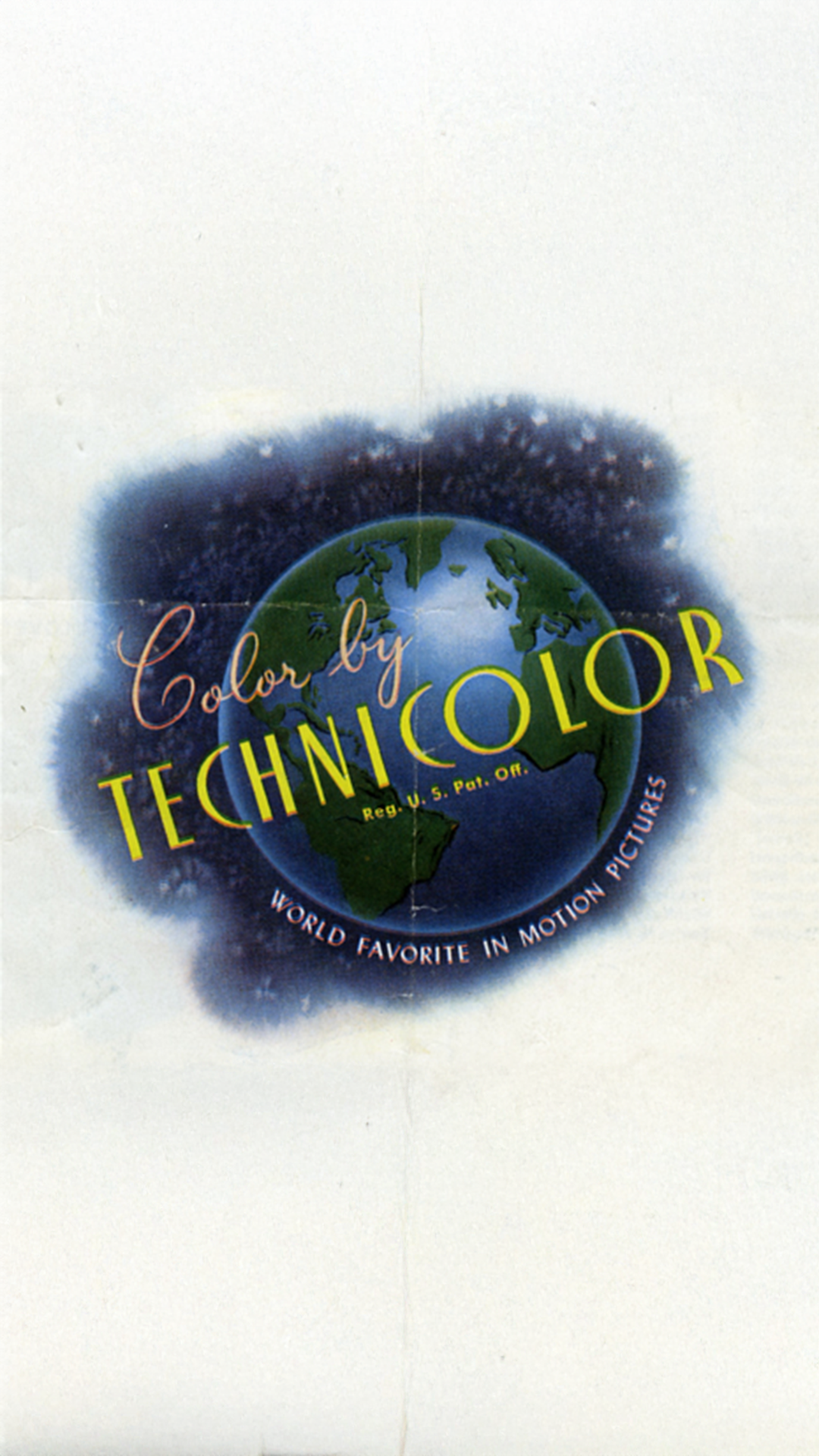
Dive deeper into the movements, techniques, and eras that shaped cinema. These essays explore the historical and cultural contexts behind the films we discuss—from the Japanese Golden Age to French Nouvelle Vague, from Technicolor innovations to the revolutionary spirit of May 1968. Consider them essential reading for understanding how cinema evolved into the art form we know today.


The Playlist
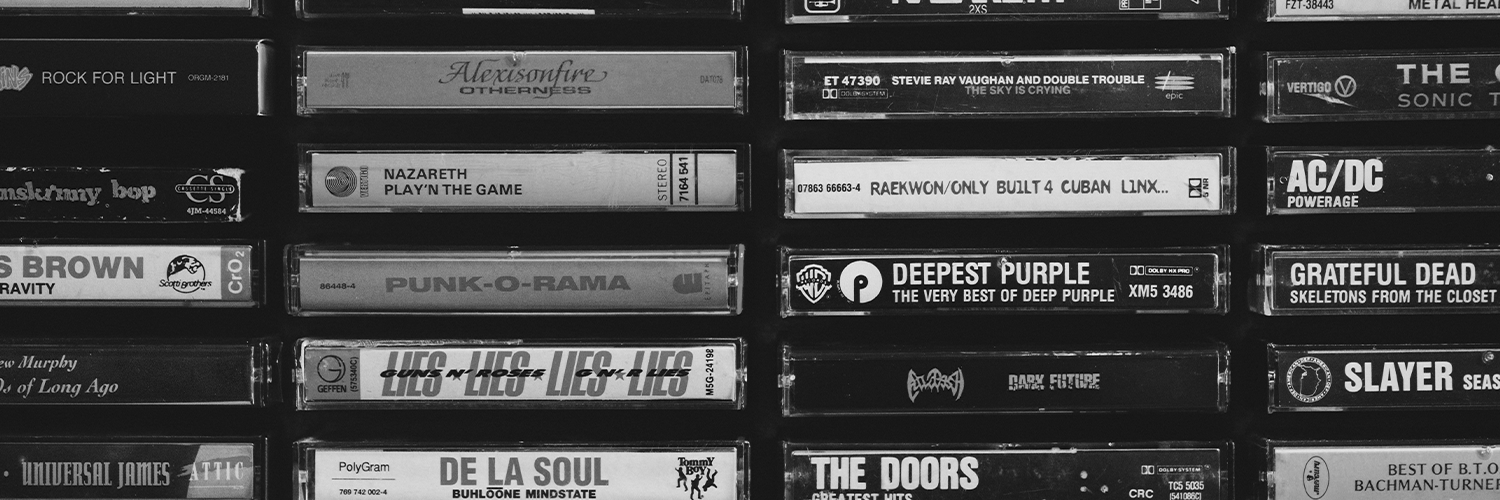
Every episode includes a companion playlist on Spotify and Apple Music. Not the film's soundtrack—songs that echo the themes, capture the mood, and keep you in that world after the credits roll. Music that resonates with the film's emotional core.
listen on:


Apple Music
All essays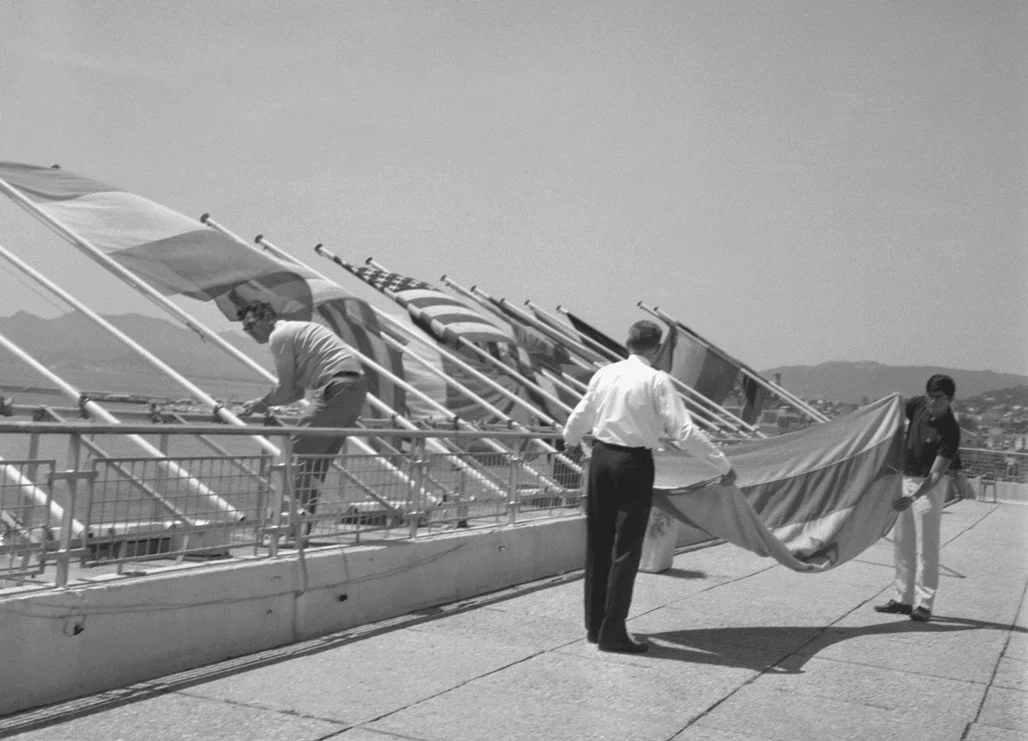
May '68: When Cinema Stopped the CANNES FILM Festival
While Paris burned and millions of French workers walked off the job, the film world's most glamorous event continued with champagne receptions and yacht parties. The contrast was obscene. In an act of solidarity with striking students and workers, the directors who had revolutionized cinema rushed the stage of the Palais des Festivals. Carlos Saura grabbed the curtains to prevent them from opening. Fistfights erupted. Godard lost his glasses. Within hours, the festival was cancelled—the only time in its history outside of World War II.
This wasn't just a protest. It was the moment when French cinema's aesthetic revolution collided head-on with political upheaval, forcing filmmakers to ask an impossible question: In revolutionary times, does art matter?
From the Langlois Affair to Costa-Gavras's Z, from Godard's Dziga Vertov Group to the birth of Directors' Fortnight, discover how May '68 changed cinema forever—and why the filmmakers who built the barricades could never agree on what came next.
Writing in Light: The French Nouvelle Vague and the Cinema of Literary Revolution
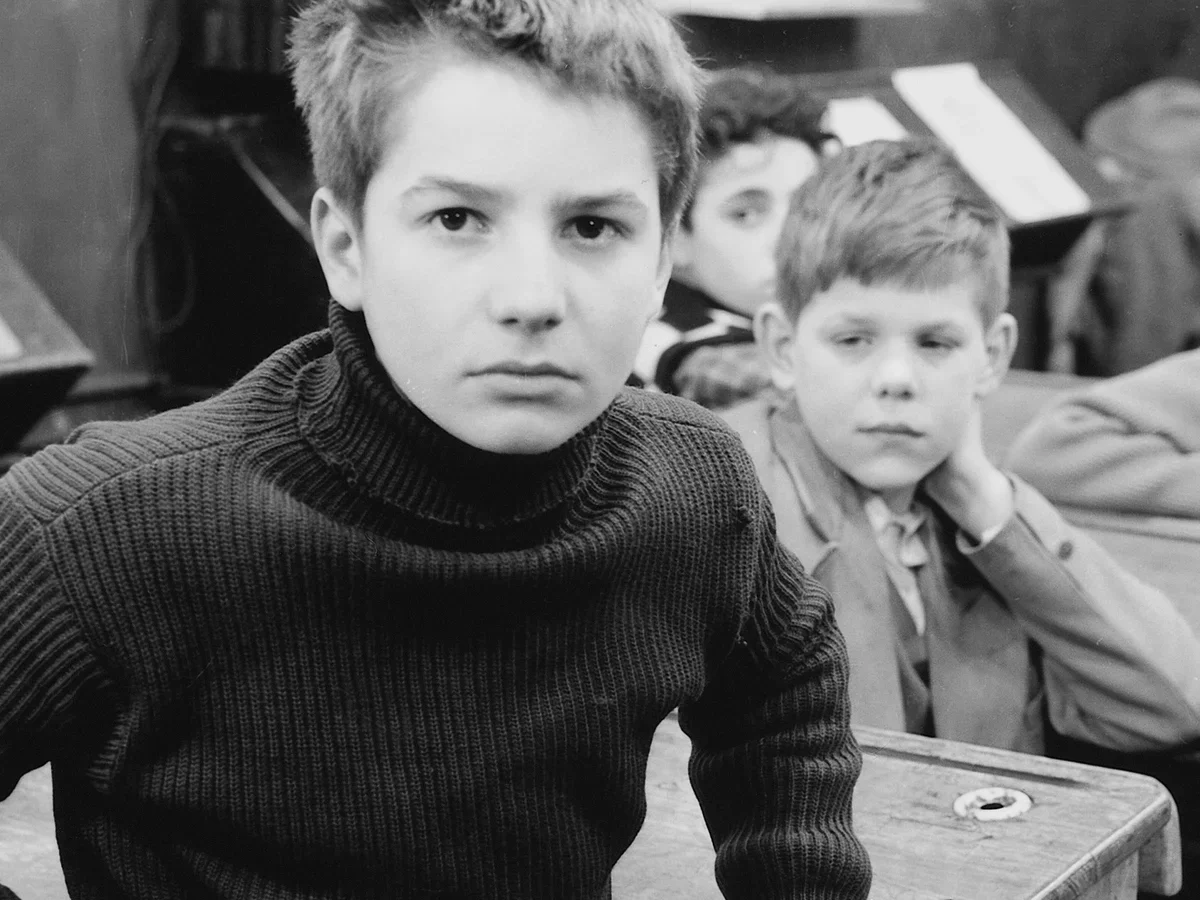
In 1950s Paris, a group of passionate young film critics plotted a revolution with nothing but notebooks, cheap cameras, and an audacious idea: that cinema could be written like literature. From Agnès Varda's pioneering La Pointe Courte to Godard's anarchic Breathless and Truffaut's autobiographical The 400 Blows, the French New Wave transformed the camera into a pen. It proved that personal vision mattered more than studio budgets, that breaking rules could create new languages, and that the most powerful films come from filmmakers who love cinema enough to reinvent it completely.

Every other Monday, we explore masterworks from the Criterion Collection and beyond—unpacking their artistry, historical context, and lasting influence.
TUNE IN!